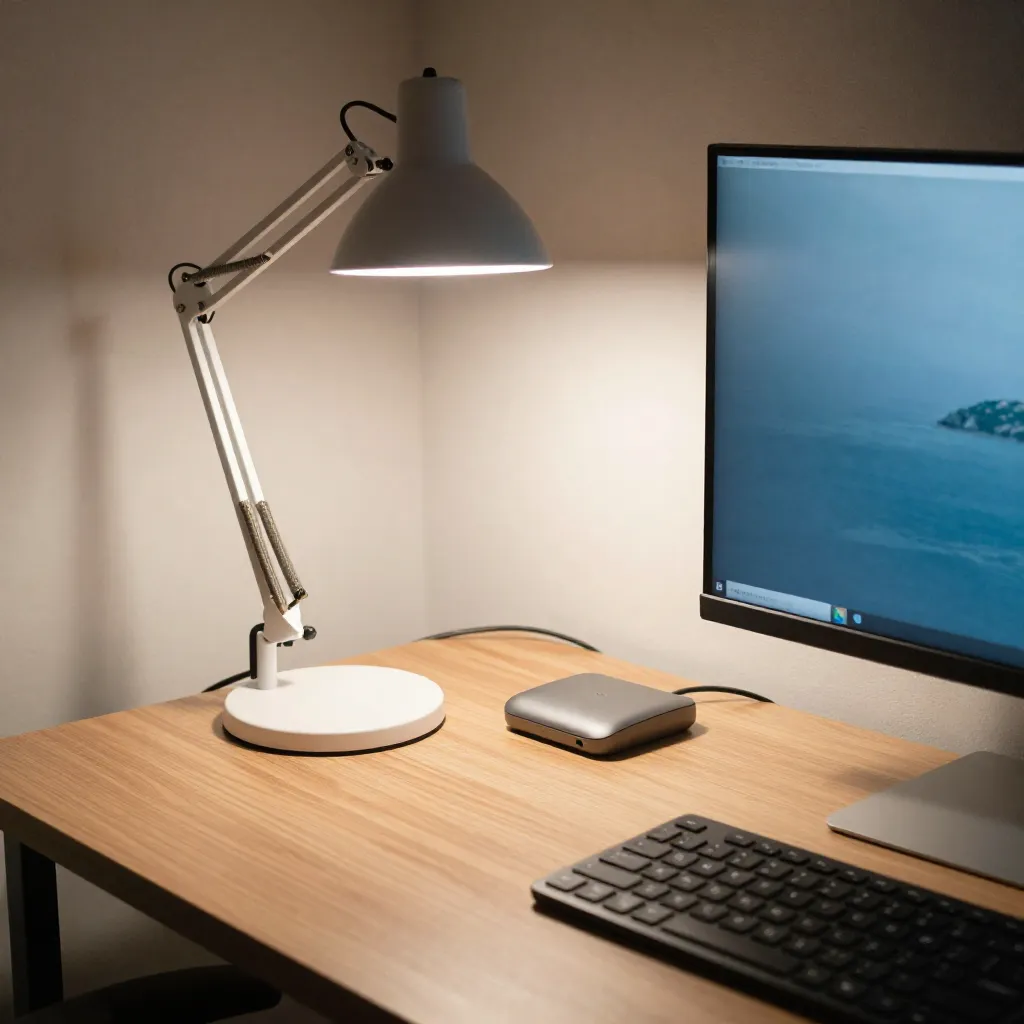
Light-Scapes
Understanding how different lighting temperatures transform workspace atmosphere
Natural Daylighting
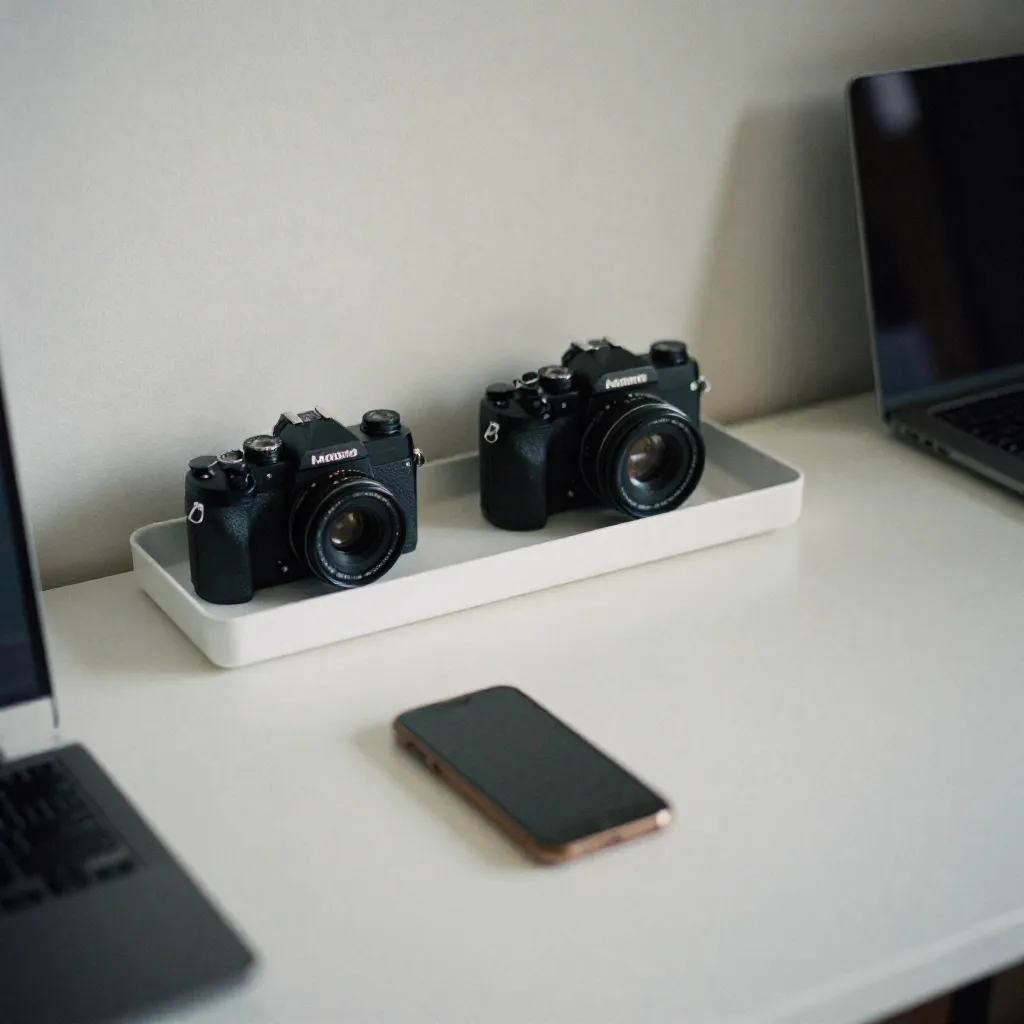
Daylight Integration
Natural daylight provides full-spectrum illumination that supports circadian rhythms and reduces eye strain during extended work sessions. Positioning workstations near windows maximizes exposure to natural light while maintaining screen visibility.
Window treatments allow for light control throughout the day, balancing natural illumination with screen contrast requirements and preventing glare that can interfere with visual tasks.
Productivity Cold White
Cool Temperature Lighting
Cool white lighting with color temperatures around 5000K to 6500K creates alert, focused environments suitable for detail-oriented tasks. This temperature range mimics daylight conditions and supports sustained concentration.
Task lighting with adjustable intensity allows users to maintain consistent illumination levels regardless of ambient conditions, ensuring visual comfort during extended work periods.
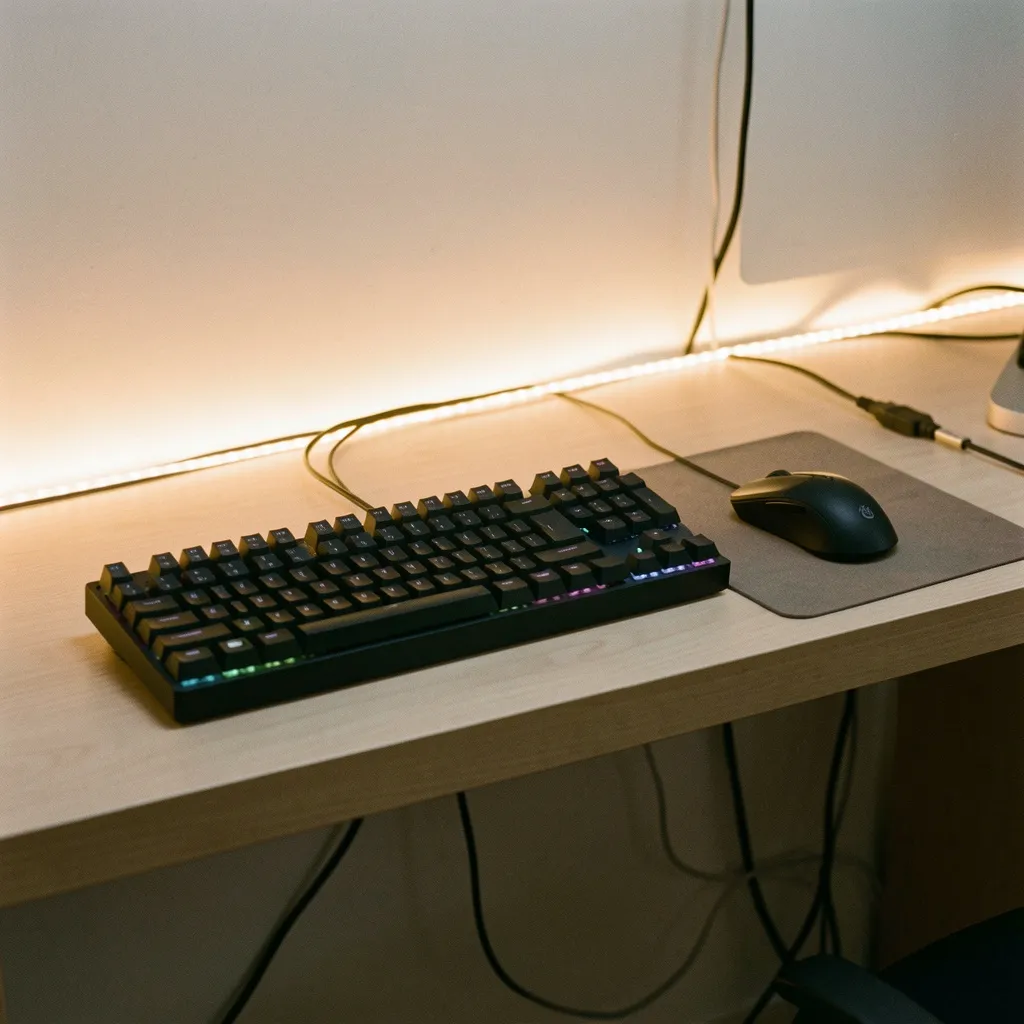
Creative Neon-Noir

Ambient Accents
Colored accent lighting creates atmospheric environments that support creative work and personal expression while maintaining functional illumination for tasks.
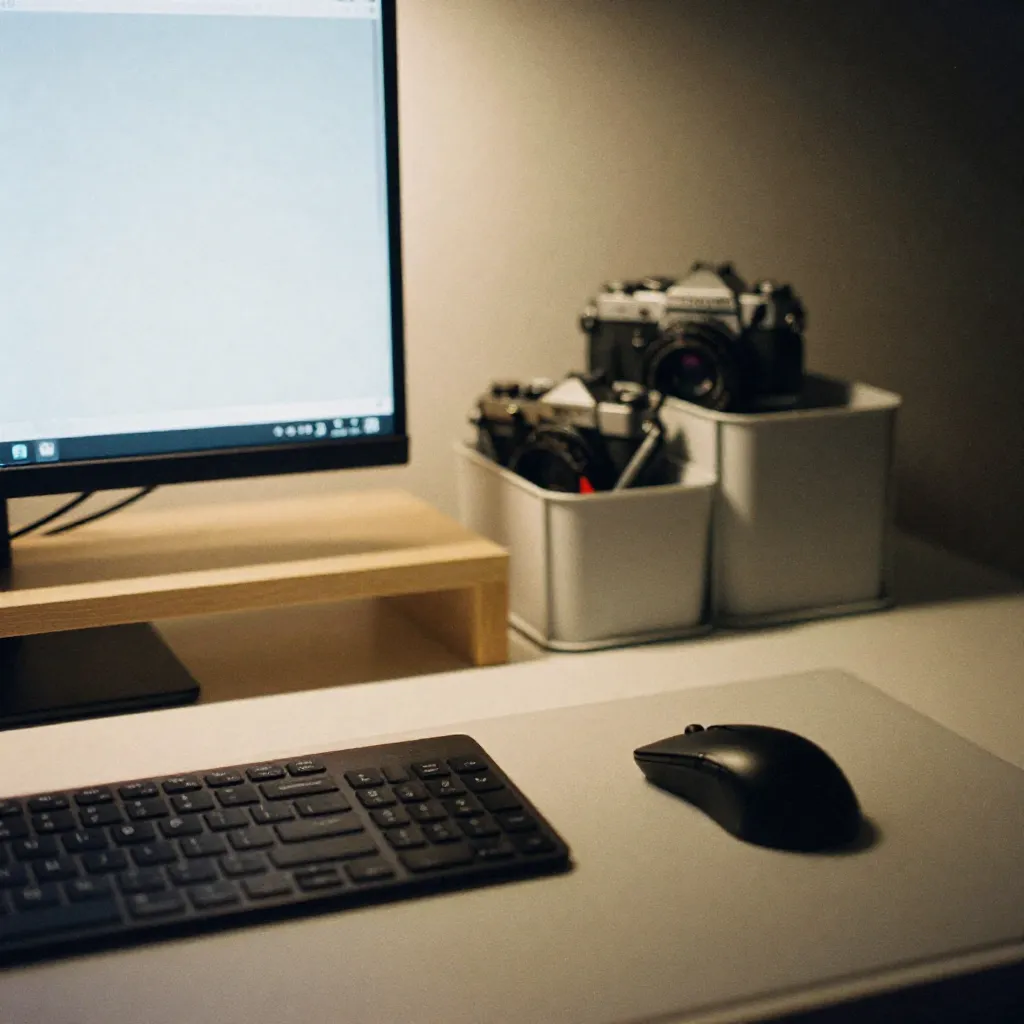
RGB Integration
Programmable RGB lighting systems allow dynamic color adjustment to match mood, task type, or time of day, providing both aesthetic appeal and functional benefits.
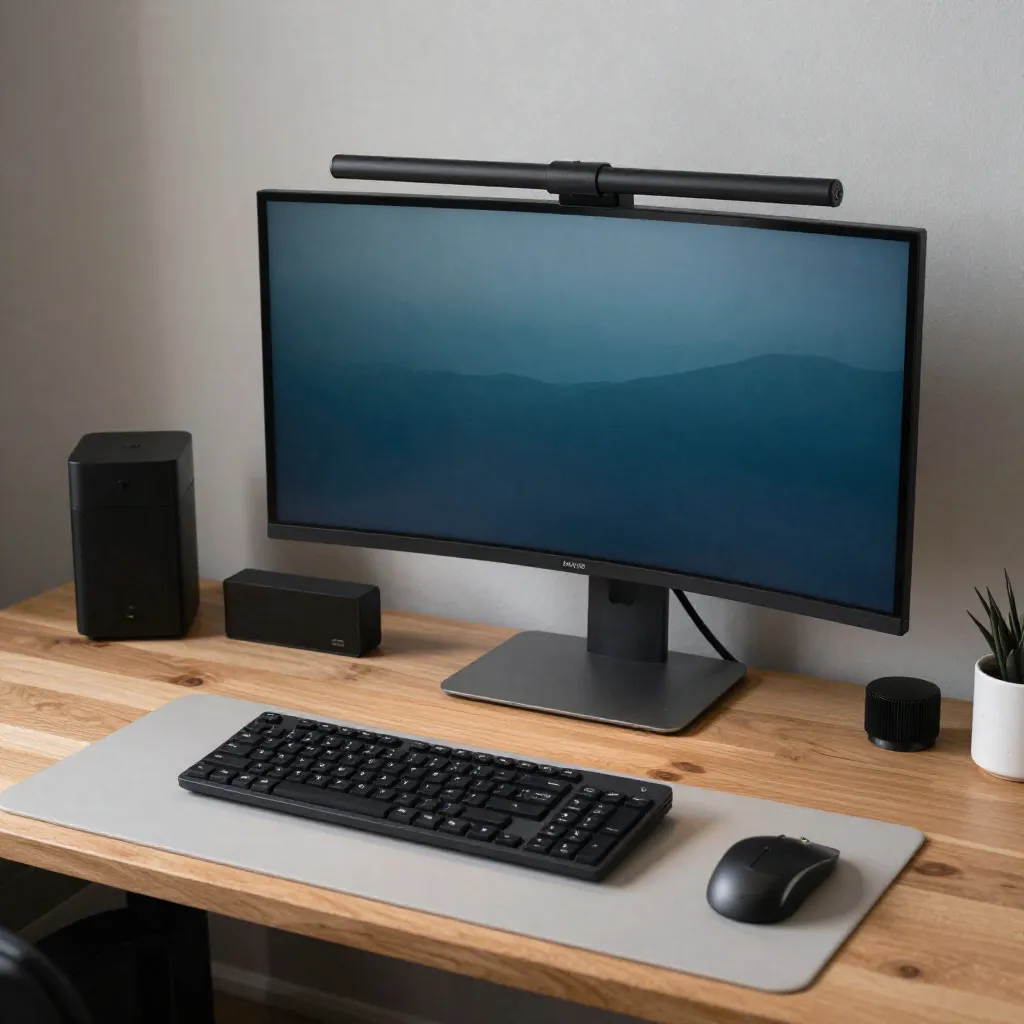
Layered Illumination
Combining multiple light sources at different intensities and colors creates depth and visual interest while ensuring adequate task illumination remains available.
Temperature Effects
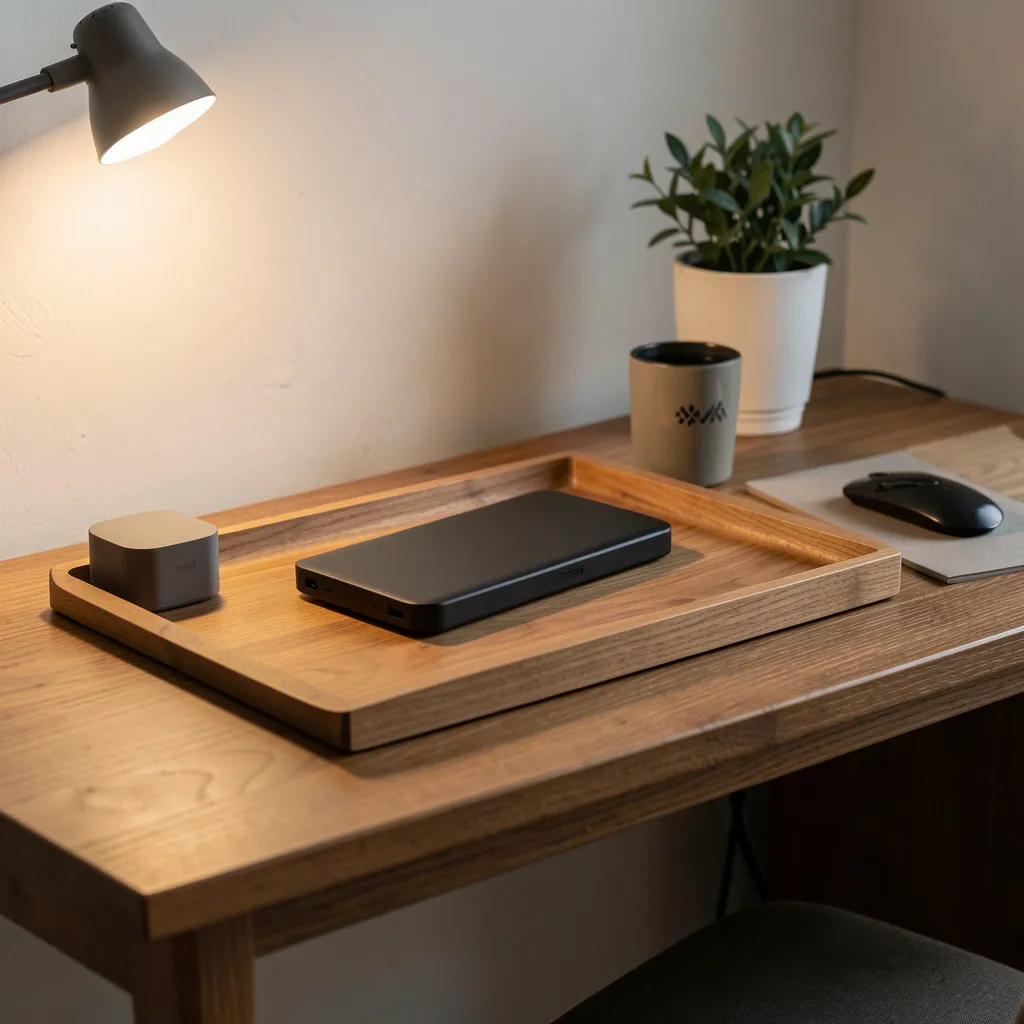
Mood Transformation
Different Kelvin temperatures fundamentally alter workspace atmosphere. Warm tones around 2700K to 3000K create relaxed, comfortable environments, while cool tones above 5000K promote alertness and focus.
Understanding these effects allows users to select lighting that supports their specific work patterns and personal preferences, creating environments that enhance both productivity and comfort.
Practical Implementation
Layered Lighting Strategy
Effective workspace lighting combines ambient, task, and accent sources to create balanced illumination. Ambient lighting provides overall room brightness, task lighting focuses on specific work areas, and accent lighting adds visual interest.
Dimmable controls and color-adjustable fixtures allow for dynamic lighting that adapts to different activities throughout the day, supporting both focused work and relaxed periods.