Hardware Components
Understanding the essential elements that form a functional workspace
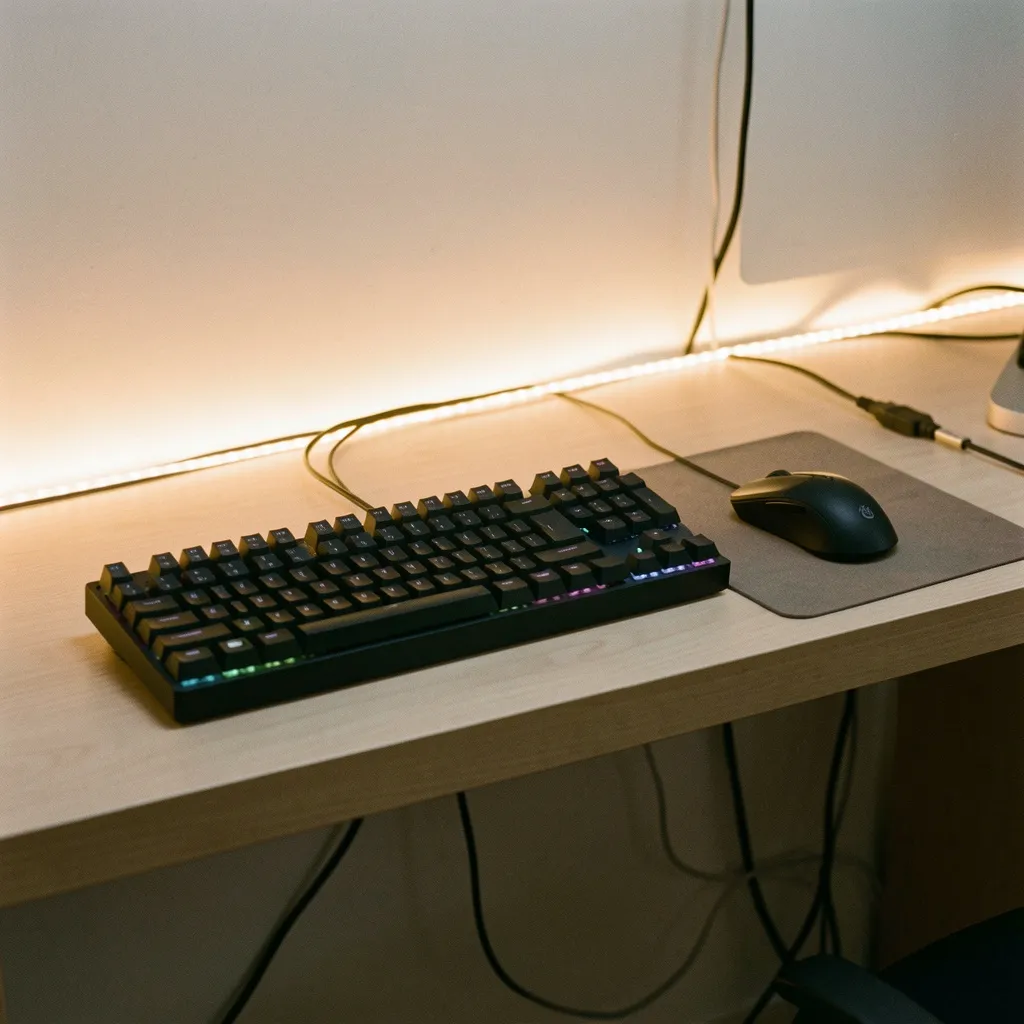
Mechanical Keyboards
Input Precision
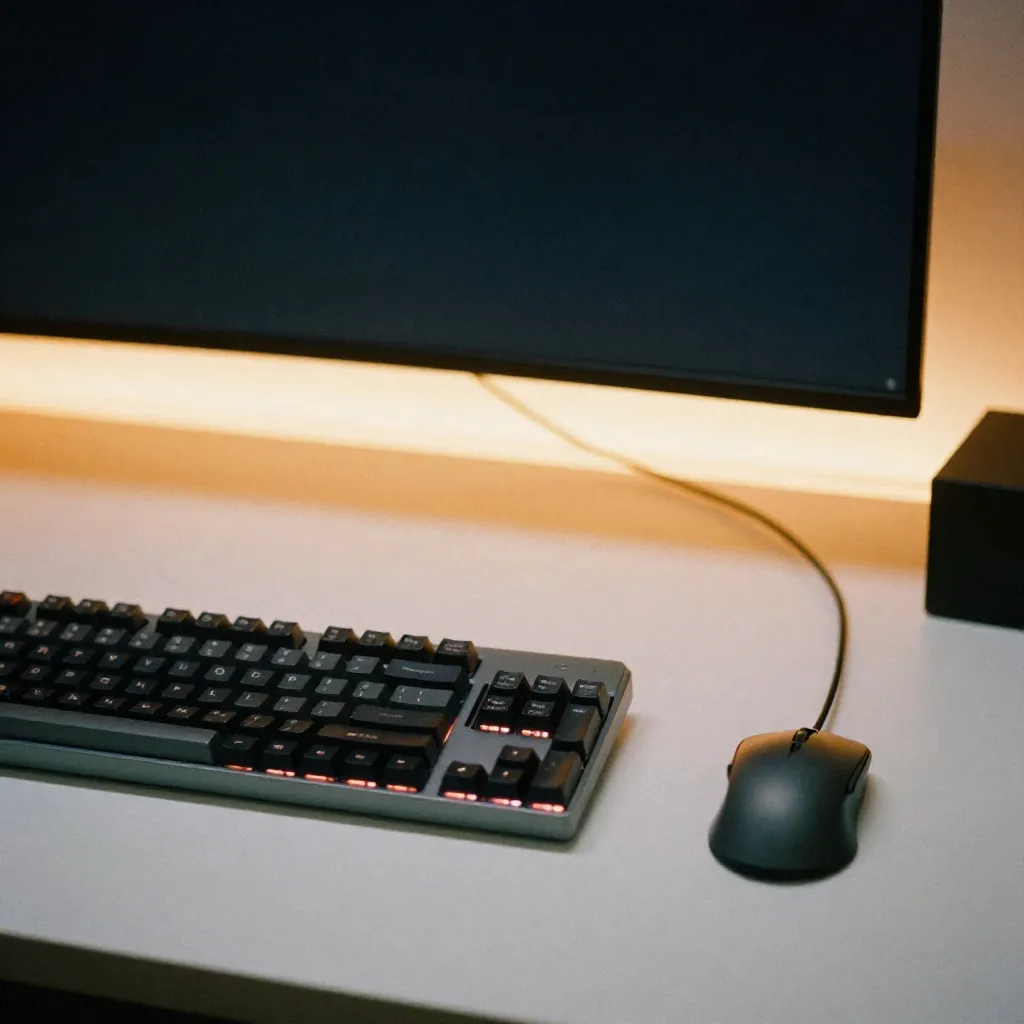
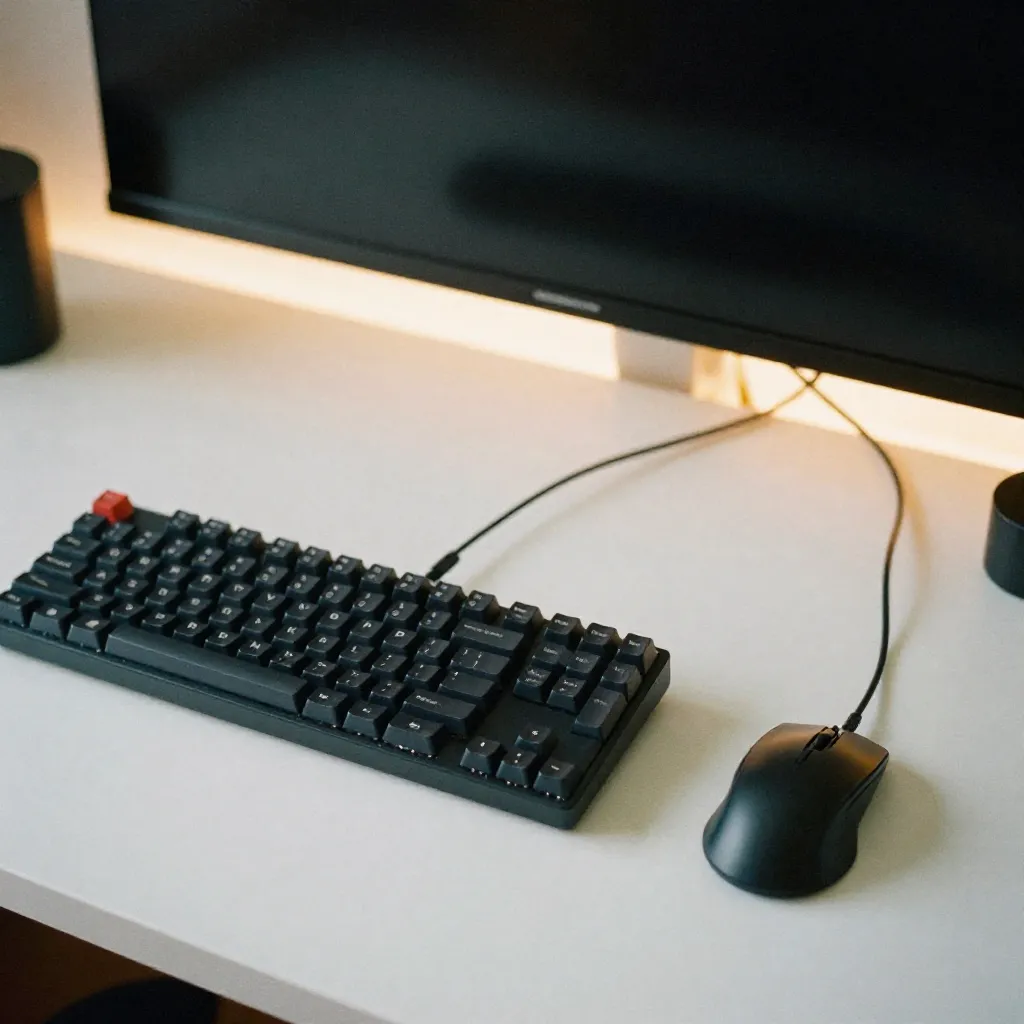
Mechanical keyboards offer tactile feedback and customizable key switches that adapt to individual typing preferences. Different switch types provide varying levels of actuation force and sound profile, allowing users to select options that match their workflow rhythm.
Keycap materials and profiles also influence both typing comfort and visual aesthetics, with options ranging from minimalist low-profile designs to sculpted profiles that support extended typing sessions.
Ultrawide Displays
Extended Visual Space
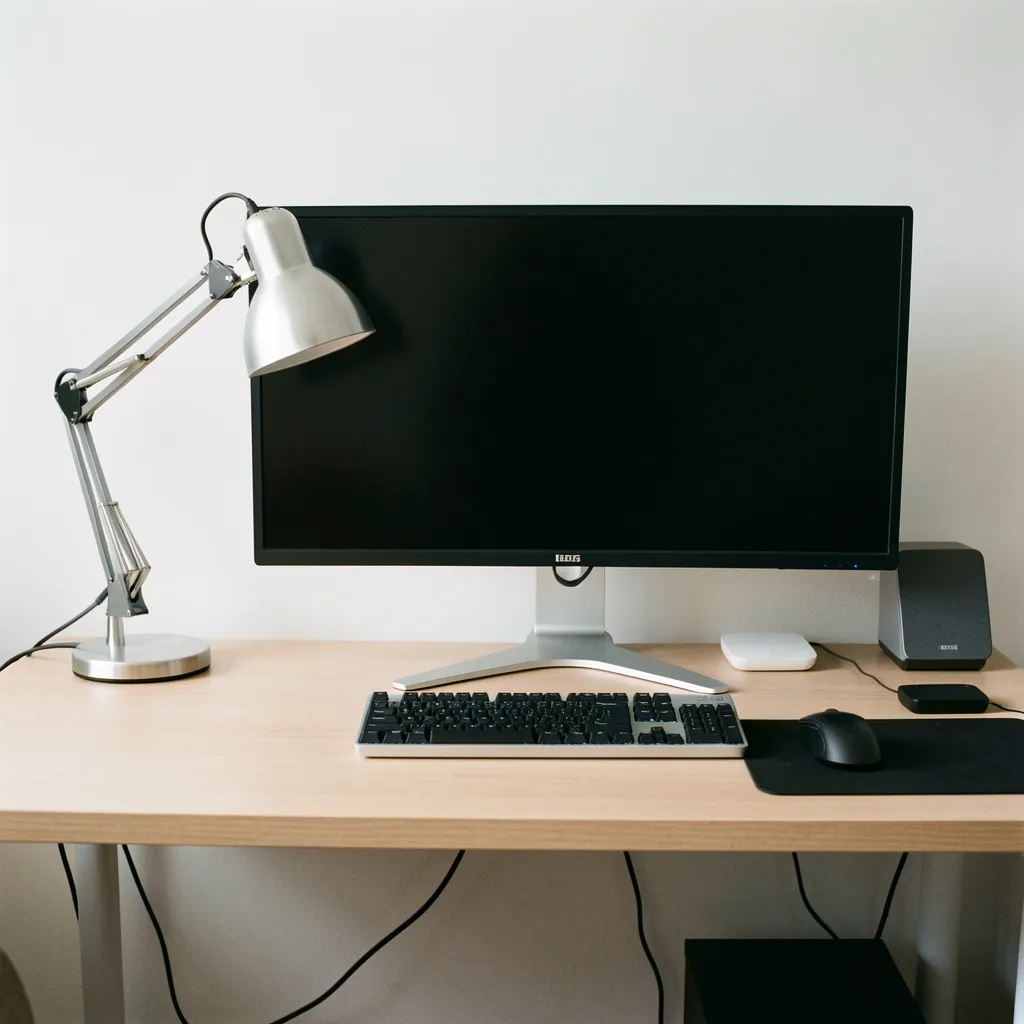
Ultrawide monitors provide expanded screen real estate that supports multitasking and reduces the need for multiple displays. Aspect ratios like 21:9 or 32:9 create immersive viewing experiences while maintaining consistent color accuracy across the entire panel.
Panel technologies such as IPS, VA, or OLED each offer different advantages in terms of color reproduction, contrast ratios, and viewing angles, making selection dependent on primary use cases.
Audio Systems
Headphone Selection
Open-back and closed-back designs serve different acoustic purposes, with open-back models providing wider soundstage and closed-back options offering better isolation.
Amplification
Dedicated headphone amplifiers and digital-to-analog converters can enhance audio quality by providing sufficient power and clean signal conversion for high-impedance headphones.
Speaker Systems
Desktop speaker configurations range from compact near-field monitors to larger bookshelf systems, each offering different frequency response characteristics and spatial presentation.
Component Integration
Unified System Design
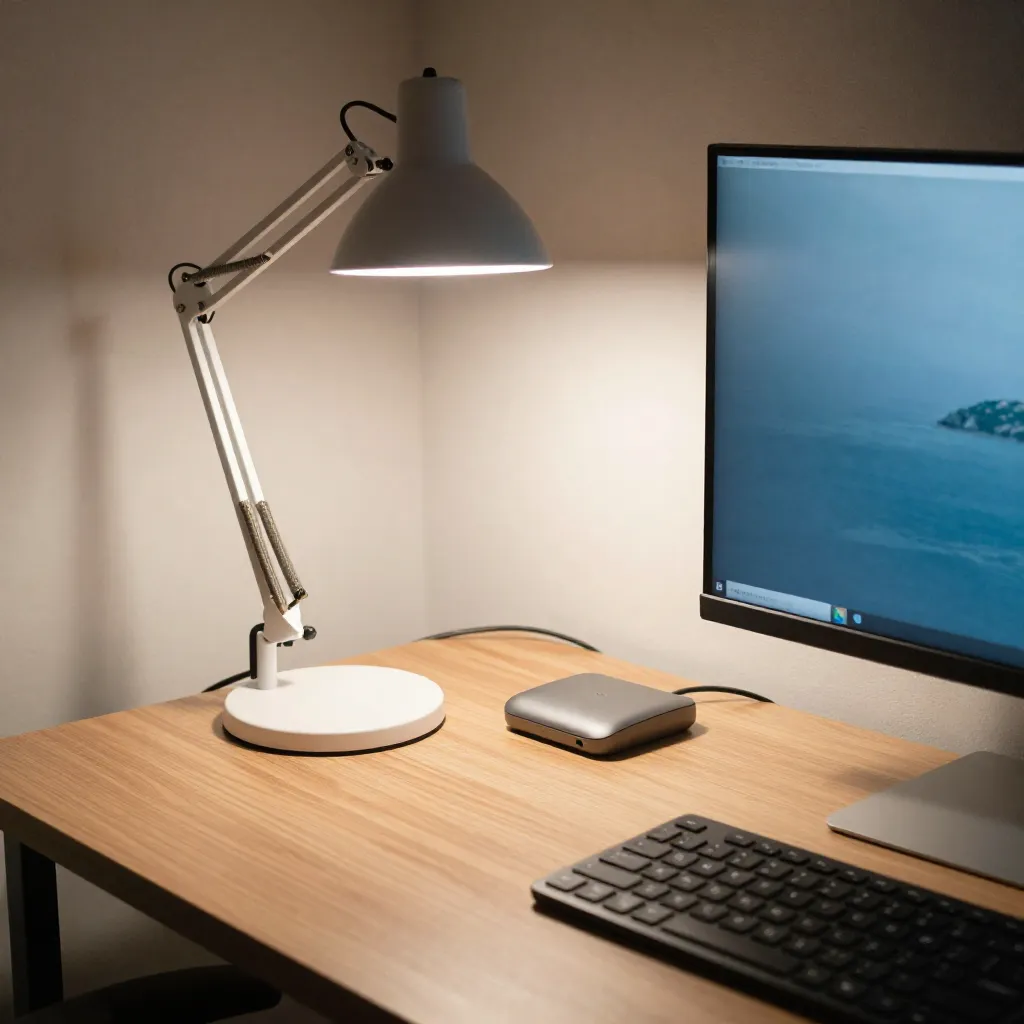
Successful workspace design requires considering how individual components interact as a cohesive system. Cable management, power distribution, and physical spacing all contribute to both functionality and visual harmony.
Understanding technical specifications helps ensure compatibility between devices while maintaining aesthetic consistency throughout the workspace environment.